
Evolution of E-commerce in India

India, rising economic superpower and the third biggest internet market in term of clients, has opened up enormous opportunities for the development of e-commerce. Through the decades, India has seen a great transformation in this market from print literate workforce to the telephone, radio, television to Internet communication and mobile phone applications. While in countries like China and US, e-commerce has taken significant strides to accomplish sales of over 150 billion USD in revenue, the industry in India is, still at its outset. However, the sector has witnessed the growth of almost 35% in 2014. To see the boom in the industry, more organizations in India are joining the digital market bandwagon nowadays. The immense adoption of internet with the rising literacy rate in India has raised the development of e-Commerce in the Country. E-commerce is most likely the best thing that has happened to the middle class population with higher ambitions and lesser time. Not only it appeals to middle class, e-commerce advances both quality-minded Indian consumer as well as small entrepreneurs. Around the world, has gotten a deal chasing– which is quite beneficial for the middle-classes. The huge adoption rates of Snapdeal and Flipkart have proved that in India, e-commerce will go far. Currently, Indian customers are driving e-commerce through online shopping by buying electronics, clothes and books. But, if we look at business transactions, it’s the online ticket booking, which is driving the e-commerce adoption. Though, other segments such as classifieds, matrimonial, jobs all are making good progress. Given the E-business scenario, there has been an enduring climb in the number of organizations choosing on e-commerce in recent years. Even the major portals are moving towards e-commerce as opposed to depending on the web promoting. Also the list covers a wide show of services and products from picture tickets to gadgets. In this way, e-commerce India is perpetually developing and is a shelter to buyers, e-business people, online advertisers and retailers.
Government provide financial support to road projects
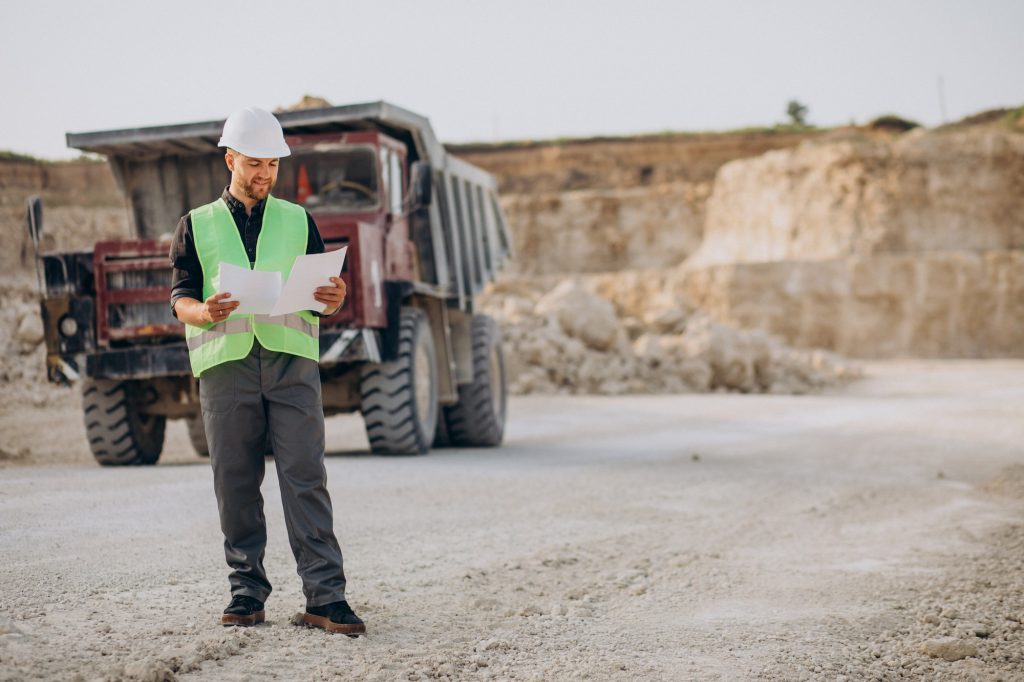
India’s much hyped Public Private Partnership (PPP) model to attract investors for the road sector has failed due to slow decisions making, hurdles in land acquisition and single window clearances. Due to this, the ministry failed to execute 21 projects worth Rs.27, 000 crore between the financial years 2013 and 2014. Taking into consideration the failure of earlier model in execution, government has now made an urgent endeavor to recuperate Public Private Partnership (PPP) with the launch of new Hybrid PPP Model, under which, the investors and government will share the contribution of 60:40 in the venture cost (where 60% to be borne by the concessionaire & 40 % by NHAI). The Government will release 40% of the revenue in the equal share of 5 instalments (each 8%) depending upon the development of the project. In addition, Government also plans to share the revenue risk with a low anticipation of traffic flow and plans to finance 100% EPC (Engineering, Procurement and Construction) cost of these projects, if required. Unlike the previous PPP Model, NHAI has an obligation to buy at least 90% of the land required, along with forest and environment clearances for the same. Honourable Minister Mr. Nitin Gadkari, Ministry of Road Transport & Highways and Shipping, is very optimist about the model and shows his confidence towards success of the same. The best part of this model that it is a time bound and a honed penalty will be charged for delay in fulfilling commitments, either on the part of the concessionaire or the government. Now the wait is only to complete the 12th Five Year Plan (2012-17) 2017 wherein the government has estimated an investment of USD 95 billion or Rs 5.7 lakh crore for the highways sector. Under this, the government has expected 50 per cent to come through private sector participation.